Somewhere in the last few years, a bitter yellow plant compound became one of the most searched supplements for blood sugar. Social media calls berberine "nature's metformin." That nickname is doing a lot of heavy lifting — some of it earned, some of it not. Here's what's actually in the research.
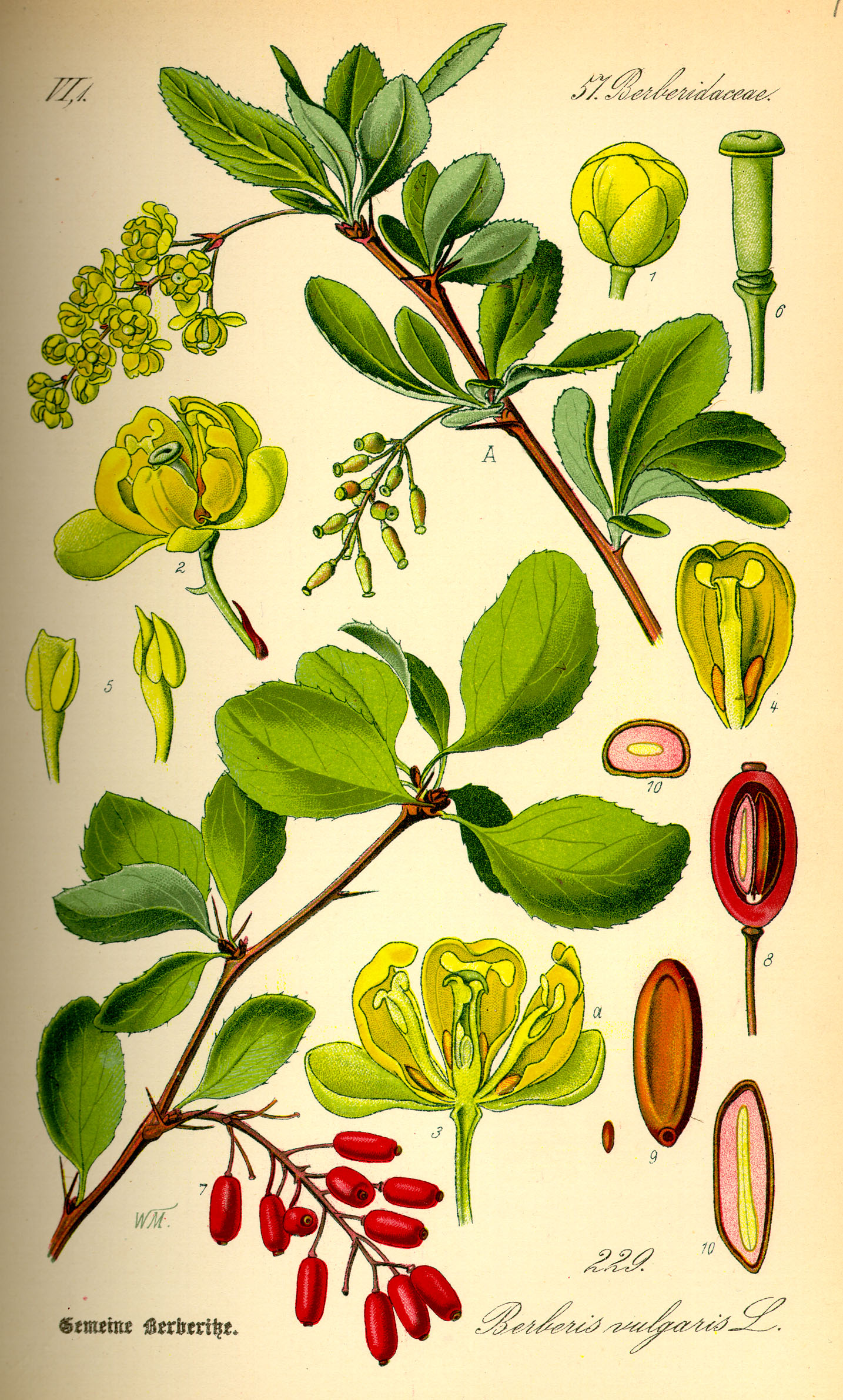
Most people aren't told this, but berberine isn't new. It's an alkaloid found in the bark and roots of plants like barberry (Berberis vulgaris), goldenseal, and Oregon grape, and it has centuries of use in traditional Chinese and Ayurvedic medicine — mostly, originally, for gut complaints. The blood sugar interest came later, and unlike many supplement stories, it comes with actual human trials attached.
That's exactly why it deserves a careful, calm look rather than a hype piece. Because the honest picture is more interesting than the nickname.
What the research suggests
The two studies everyone cites are from 2008. In one randomized trial of 116 adults with type 2 diabetes and high cholesterol, three months of berberine (1 gram per day) was associated with fasting glucose falling from about 7.0 to 5.6 mmol/L, post-meal glucose from 12.0 to 8.9 mmol/L, and HbA1c from 7.5% to 6.6% — with improvements in triglycerides and LDL cholesterol as a bonus (Zhang 2008).
In the other, a small three-month pilot trial, berberine performed similarly to metformin on glycemic measures in newly diagnosed type 2 diabetes (Yin 2008). That single small study is where the "nature's metformin" nickname largely comes from.
Since then, the individual trials have been pooled. A 2012 meta-analysis of 14 randomized trials (1,068 participants) found berberine plus lifestyle changes was associated with better glycemic control than lifestyle changes alone, and glycemic effects in the same range as oral diabetes drugs in small head-to-head comparisons (Dong 2012). A larger 2015 meta-analysis of 27 trials (2,569 patients) reached similar conclusions — berberine added to lifestyle or to existing oral medication was associated with lower fasting glucose, post-meal glucose, and HbA1c, though berberine alone showed no advantage over standard medication (Lan 2015).
Across pooled trials, berberine is consistently associated with lower fasting glucose, post-meal glucose, and HbA1c — mostly as an add-on to lifestyle changes or existing treatment. It has never been shown to outperform standard medication, and it is not a replacement for one.
How it might work
Here's what's actually happening, as far as researchers can tell: berberine activates an enzyme called AMPK — often described as the cell's "low fuel" switch. When AMPK switches on, cells behave as if energy is scarce: they take up more glucose and burn more fuel. In animal and cell studies, berberine's AMPK activation improved glucose tolerance and insulin action (Lee 2006).
If AMPK sounds familiar, it's because metformin engages the same pathway. That shared mechanism is the legitimate half of the nickname. But a shared pathway in mouse studies is plausibility, not proof — the human evidence above is what counts, and it's more modest.
The nickname has a history problem too
There's a deeper irony in "nature's metformin," and it's worth knowing: metformin itself came from a plant. It was developed from compounds in goat's rue, a weed so toxic it has killed grazing livestock. Chemists spent four decades refining that plant chemistry into something safe enough to prescribe.
That history cuts against the instinct the nickname encourages. The lesson of metformin isn't "plants are as good as drugs" — it's that turning a plant compound into a reliable medicine takes enormous work, and the raw version is usually the riskier one. Berberine is further along that path than most supplements. It hasn't finished the journey.
The honest limitations
Now for the part the supplement industry tends to skim. The trials behind berberine are real, but most are small, short (usually three months or less), and conducted in Chinese cohorts, and the meta-analysis authors themselves flag limited methodological quality, heterogeneity between studies, and likely publication bias. Large, long, rigorous Western trials — the kind that settled metformin's reputation — simply haven't been done for berberine.
So the honest ceiling is this: research suggests berberine is associated with improved glycemic markers, mostly as an add-on. Anyone telling you it "works as well as prescription drugs" is rounding a handful of small trials up to a certainty the evidence doesn't hold yet.
For contrast, it's worth knowing what stronger supplement evidence looks like. Inositol has accumulated enough human data to appear in clinical guidance for insulin resistance — a different tier of confidence, reached the slow way.
The safety part most articles skip
This section matters more than the benefits section. Berberine is pharmacologically active — that's the whole point — and active compounds come with real considerations:
- Digestive side effects are common. Constipation, diarrhea, and flatulence were the main complaints in trials. Studies typically split the daily amount into two or three doses partly for this reason.
- It can stack with diabetes medication. If you already take metformin, insulin, or other glucose-lowering drugs, adding berberine on top can push blood sugar lower than intended. This is a conversation to have with your doctor before the first capsule, not after a hypo.
- It interacts with how your body clears other drugs. A human pharmacokinetic study found repeated berberine dosing inhibited several CYP450 liver enzymes (Guo 2012) — the machinery that clears many common medications, including some statins and antidepressants. A 2025 review concluded the real-world magnitude of these interactions still isn't well quantified (Bathaei 2025) — which is a reason for caution, not comfort.
- Not in pregnancy, breastfeeding, or infancy. Full stop. Berberine can displace bilirubin from albumin (Chan 1993), the mechanism behind the standard advice to avoid it entirely in pregnancy, while breastfeeding, and in newborns.
Berberine is not a treatment, and it is never a substitute for prescribed medication. If you have diabetes or take any regular medication, talk to your doctor or pharmacist before trying it. That's not legal boilerplate — the interaction and low-blood-sugar considerations above are exactly the things they check for.
The calm bottom line
Berberine sits in an unusual spot for a supplement: more human evidence than most, less than the hype implies. The pooled trials point in a consistent, encouraging direction for glycemic markers. The trials are also small, short, and imperfect — and the compound is active enough that it deserves the same respect (and the same doctor conversation) you'd give a medication.
If your foundations aren't in place yet — fiber, movement after meals, sleep — those remain the boring, unbeatable first moves. Research on supplements only ever makes sense layered on top of them, never instead of them.
Your body isn't broken, and it doesn't need the loudest supplement on the internet. It needs accurate information and unhurried decisions. That's what we're here for.
Calmly,
Mr Blood Sugar